
I am determined to reach the shipwreck before we leave. It isn’t actually a shipwreck; it’s too close to shore, and someone (the Coast Guard?) would have recovered a sunken vessel by now. Apparently, it has been there for years. Still. It is something large and mast-like protruding from the water, and I’ve stared at it from shore every day for weeks. It’s too far for my mediocre swimming ability. Reachable by boat, which we don’t have. But we do have paddle boards, newly purchased for the cottage we have rented for a month.
There are days left before the lease is up. Before we have to return to our house, our town where life seems more pressing than it does here, in this small New England beach enclave. We rented the cottage to be close to my octogenarian parents and my two sisters, one of whom has stage 4 cancer, so that we could spend time together where it is peaceful, secluded. Where no one in the neighborhood or grocery store knows that two of my four children are across the country in recovery programs, one for the second time. I haven’t seen them in months.
My life feels like a shipwreck.
Before this cottage rental, I paddled a handful of times. Now, it is a daily ritual: up at 7 a.m., coffee on the seawall, board slinked into the water before my two youngest, sunburnt kids appear in the kitchen trolling for food. My phone always stays behind, too risky despite my better-than-average balance. I love being unreachable for a while – family, dogs, Zoom meetings with counselors, all that will come later, a noisy tsunami. I crave the serenity and quiet. The only sounds on the water the splash of black cormorants diving headfirst, like torpedos, hunting for fish; seagulls squawking back and forth; waves lapping at the board; the paddle whorling and burbling the water, left, right, left.
As I push the board in from shore, I hop on, knees first, before springing to my feet. Then I reach down and grab the paddle. I steer the board through a forest of sea grass and submerged rocks, careful of the board’s fin, and paddle hard four or five times on the right to pitch myself left toward the open water. I’m the only person out here. The early-bird fishermen I see most mornings are already back in, cleaning a catch or bemoaning a loss. I feel like Robinson Crusoe.
The shipwreck is about a half mile off shore. As I approach the harpoon-like mast, I can see it’s attached to a shadowy bulbous shape just below the black surface, and I wonder what else is hiding down there, what secrets, what stories. I steel myself against a childish fear that something will jump from the water and pull me below. I paddle closer. Left, right, left.
The shipwreck is a channel marker, a buoy of hulking size. Algae and seaweed cling to it like a wet sweater. A beacon meant to prevent collisions, a casualty itself. I cannot fathom how it sank. My mind races with images of nor’easters and hurricanes, sideways wind and rain. But the mast, jutting at a sharp angle as if the buoy went down mid-sway, is still visible, still above water, signaling its presence.
For a moment, I do nothing. Just stare at the buoy. And then my mind drifts to something I’ve heard in occasional yoga classes while standing in one pose or another: Feel supported by the Earth. With my feet anchored to the board, that’s the feeling I have out here. Despite its cradle-like rocking, I am steady, strong.
I look back toward shore, toward the cottage and the seawall where I left my mug. It’s still quiet there. It’s just a buoy, I think, not a shipwreck, not catastrophic. I inhale a deep breath of briny air, dip my paddle in the water, and head back in.
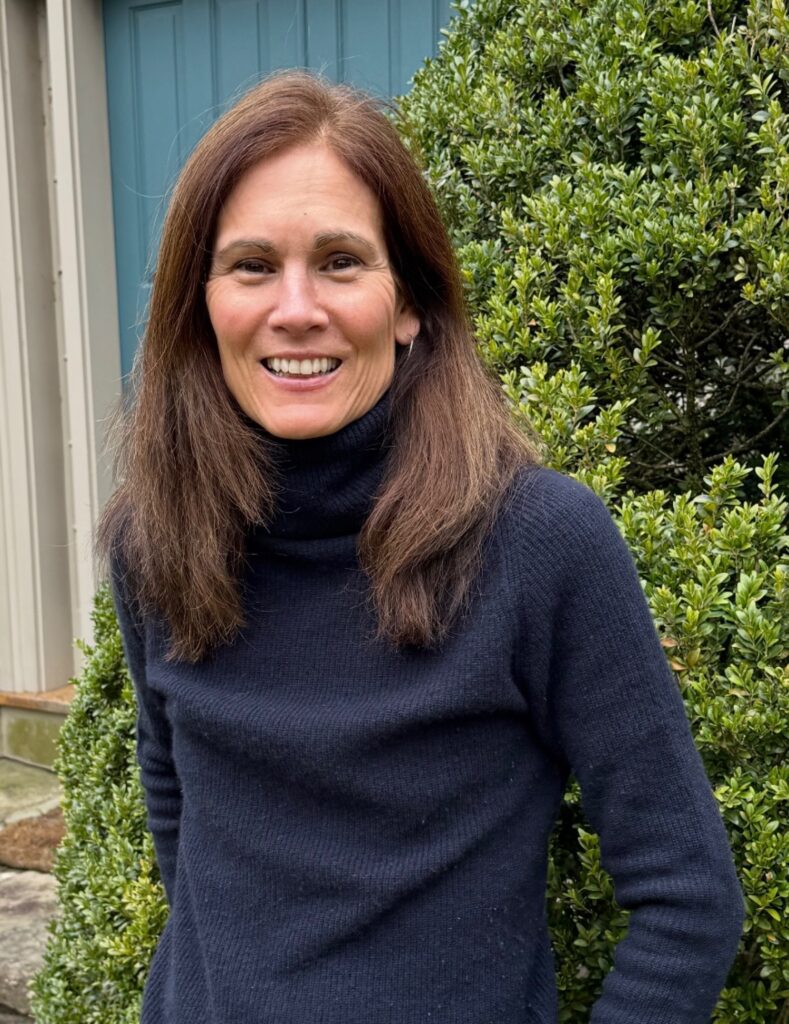 Anne Giordano is a former associate producer at CBS News “60 Minutes.” Her travel writing has been honored with a Silver Solas award, and her work can be seen in Panorama Journal and River Teeth: Beautiful Things (forthcoming). She lives in Connecticut.
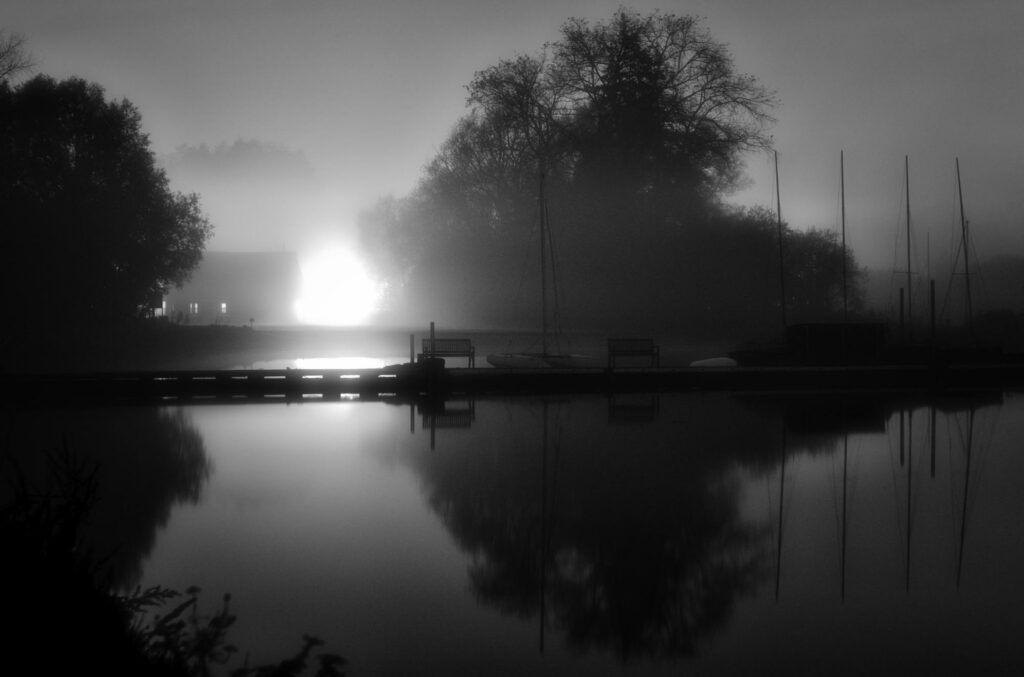
Image Credit: Flickr Creative Commons/Nils Erik Mühlfried