

For years, I would tell my friends — real friends because I’d never tell just anyone — how my mother prayed, entreated, God, give us a place to live; give us a home. She was specific because God answers in details. She said she didn’t care if it didn’t have air-conditioning or heating or a stove or refrigerator. All I want is a house we can call home. I was eight years old. The stove and refrigerator came a few months after we moved in. My father brought them home to replace the styrofoam ice chest where we kept the cold things and the electric popcorn popper my mother cooked our meals in. It was Thanksgiving week. He brought home a turkey, too, the biggest in the store. The air-conditioning and heating never worked. I’d tell my friends that we lived in that house for three years and in Houston, no less, as if it were some stamp of pride to live without conveniences, necessities, as if it were something heroic. I never told them that there were plans to bulldoze the house and build a parking garage, that eventually, a big company would pave paradise, like Joni Mitchell sings. I never told them we lived there rent-free, that the owner told my father, you can do whatever the hell you want with it.
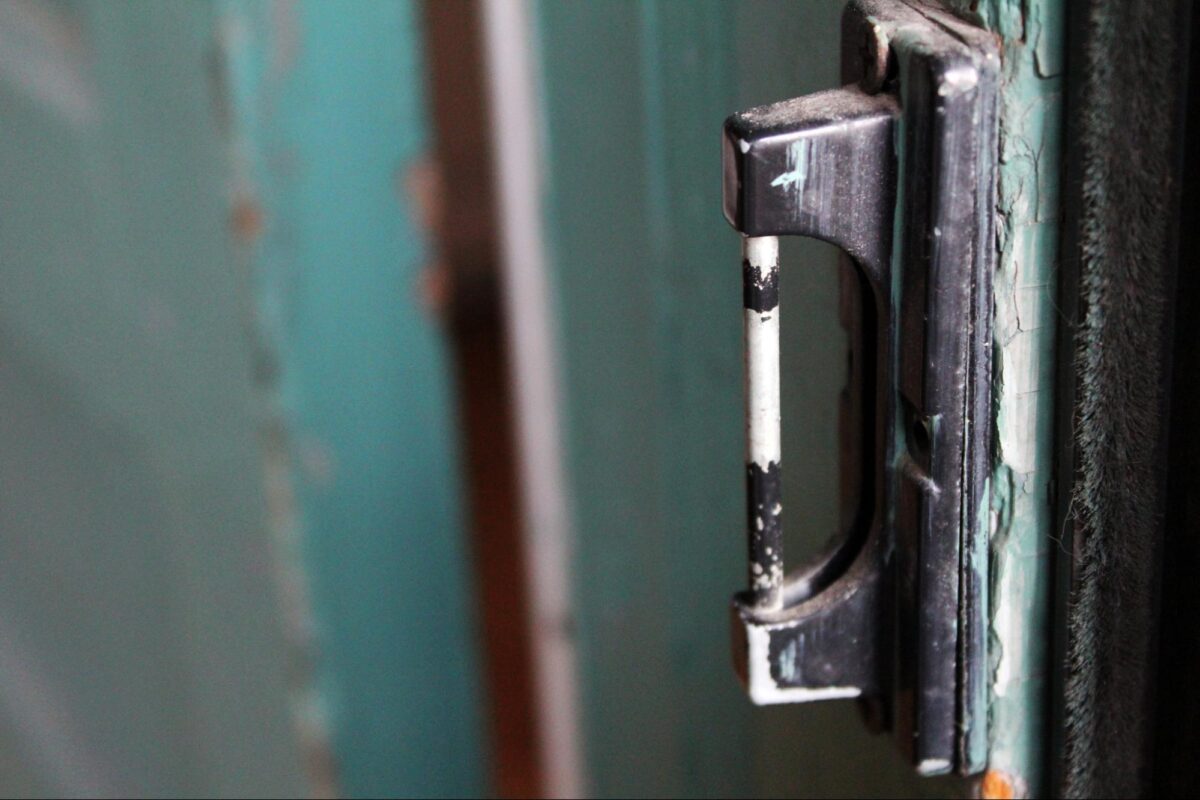
And I didn’t tell them about how we’d already lived in seven places by then, or how we were evicted from the apartment with the swimming pool because my father wouldn’t pay the rent because the landlord wouldn’t fix the air conditioner or the leak in the upstairs bathroom above ours. I didn’t know that was why we moved, why we picked up boxes from grocery stores to pack up knick-knacks and patchwork clothes, the leather-bound family photo album and wedding China and crystal glasses and the walnut box lined with velvet and filled with sterling silverware. We borrowed a truck to haul the beds and dressers and nightstands—did we even have nightstands, or did we use TV trays? I didn’t tell my friends any of that because I learned early that they didn’t live the way I did. Most of them lived in the same house they came home to as newborns. They wouldn’t understand how excited I was to be on the crest of another adventure on another street of the same phosphorescent city. Or I believed the house with the green door and no air-conditioning or heating was another new beginning, a place we could call home, and I believed having a house to call our own was the only thing we’d ever need. My mother says that sometimes I would sing the Crosby, Stills, Nash & Young song, “Our House” from my bedroom window, chin on my arm.
I remember looking through that window to the paradise of our own front yard, but I have no memory of singing that song. And I have no memory of the morning I watched two strangers take my father away. My mother was out doing Saturday things. I was taking a bath. My father was being slapped by a policeman in the living room. That’s when he called my name. I came out. I stood silent and naked under a towel and watched the vice police take my father away. He tells me this later, tells me they’d hit him. That’s why he called me out of the bath. He was arrested for possessing gambling paraphernalia, he says. A skinny attorney found an error in the paperwork. He returned that afternoon. But I never tell my friends about that day. I didn’t know what happened until he and my mother told me, didn’t remember any of it except for the sensation of water dripping on my shoulders. I am lost in the incident, lost in the wet of my hair, lost in the boundaries tap-tapping into place.
 Deanna Benjamin writes lyric memoir, micro-stories, and poems. Her most recent creative work appears in Cosmic Daffodil Journal, Thimble Literary Magazine, MacQueen’s Quinterly, The Texas Review, and Flash Boulevard. Her microfiction, “Lilacs” (MacQueen’s Quinterly, September 2025) has been nominated for Best Microfiction, 2026
Image Credit: Flickr Creative Commons/Quinn Dombrowski