Reviewed by Amy Fish

 Two things: one, my mother died of dementia and two, Fay is a good friend of mine. I’m mentioning this to you before we get started so that you understand my attachment to the material and to the author. This either makes me the best possible person to review the book for you or the worst, but here we are. You can let me know what you think at the end.
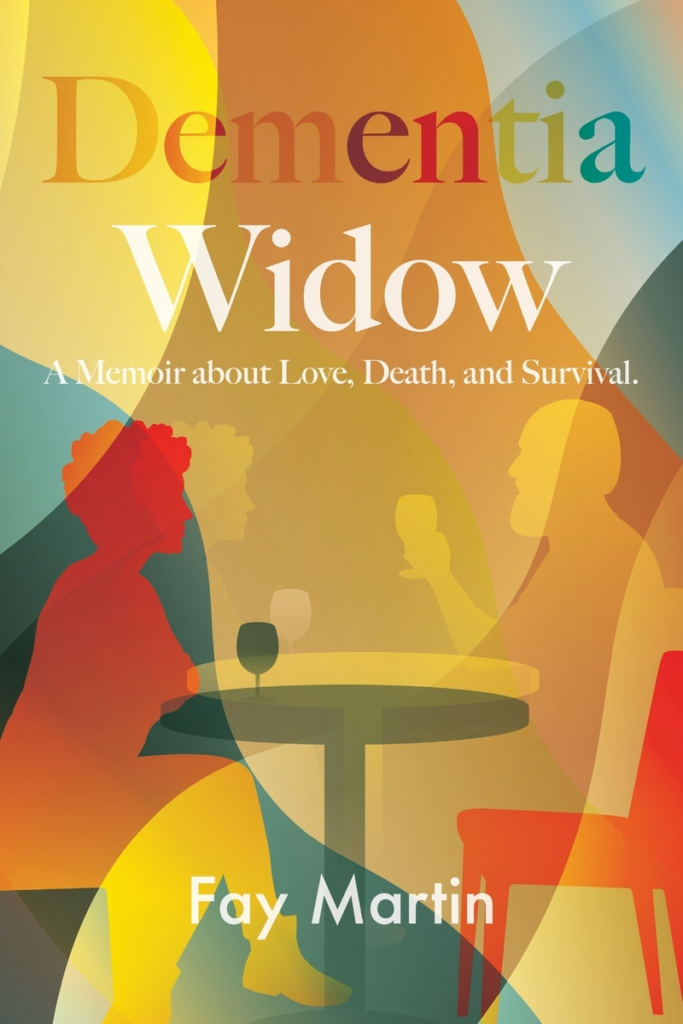
Dementia Widow: A Memoir of Love, Death, and Survival (Iguana Books; March 2026) is first and foremost a beautifully crafted love story. Fay speeds us through her husband Michael’s cancer diagnosis, treatment and subsequent health needs, their moves both together and separately to the UK, to Toronto, almost to Saskatchewan, and ultimately to a rural county in Ontario and she somehow does so lyrically. Using gorgeous wording, the narrator sets the stage for a woman who finds herself married to a man with dementia, and becomes a widow while he is still alive.
Fay’s matter-of-fact Canadian humour works so well with this subject matter. They lived together for six years before they got married, she says, and given that her name is Fay Martin, and her husband’s name was Michael Fay, “I explained the delay by saying I was waiting for it to become more acceptable for married women to keep their maiden names, so as to avoid becoming Fay Fay, surely a name for a pedigreed poodle.” I laughed out loud.
Then the story gets dark. Between the cancer, and the weight loss, and the dementia, Michael’s health really starts to fade, and the decision is made not to insert a feeding tube. This had to have been terribly difficult for Fay, but her description is easy to read: “Michael was a tumbleweed waiting for a breeze to blow him down the road,” she writes, “But it felt like a big blinking sign. The End Is Near.” Being able to talk about such grim topics in such an open and accessible manner is, in my opinion, a gift to the reader. The balance of light and dark in this memoir is excellent and possibly can be instructive to those writing memoirs about disease and death.
The other thing the narrator does which I loved, is that she brings us along as she scours her personal archives. The book includes excerpts from her journal, presented honestly as “a very drunken scrawl…Maybe I can’t be with him anymore.” She goes on to bravely share that it looks like he was experiencing cognitive impairment and that she wasn’t sure she could continue to be with him under those circumstances. This marks the difference between a child’s experience of a parent with dementia and a spousal account. For a spouse, there is always the option — no matter how small, no matter how unrealistic — of walking out the door and never coming back. Fay is willing to admit that this possibility passed through her mind more than casually, and she is open to showing us that she had recorded as much in her journal.
Two things: if you are a memoir reader, you will be carried by Fay’s beautiful language and intimate disclosure of being widowed by someone who is still technically alive. If you are a memoir writer, Fay’s willingness to bring her reader’s behind the curtain is inspirational. Highly, highly recommend Dementia Widow — even if I might be a little biased.
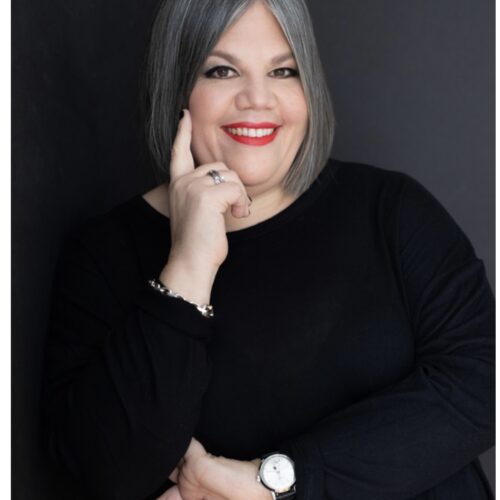
Amy Fish
Staff Reviewer & InterviewerAmy Fish is a writer of true stories, some of which are funny. She is the author of “I Wanted Fries with That: How to Ask for What You Want and Get What You Need” (NWL 2019) and “The ART of Complaining Effectively” (Avmor 2015). Amy is currently doing her MFA at Kings’ College in Halifax, Canada. She is the Ombudsperson at Concordia University in Montreal, where she lives with her husband and kids.