
Nights in the desert we sped down soft roads. Our headlights swept rocks, ocotillo, the shadows of animals in retreat—the mule deer, bobcats, and jackrabbits that locals spotlit and shot from the backs of their trucks. My hair was dyed bird-of-paradise, pink as the sunsets over the Corazones. He wore his in a man bun, the brim of his hat shadowing his face. He liked to catch rattlers, fry the meat in butter and garlic. I saw one’s heart beat its way across the stone that was our cutting board—a pale, pulsing knot of muscle loosed unnaturally from its chassis, desperate to carry on. When we left the ranch, he accelerated to sixty, then ninety, the ribbon of pavement dropping down the hill, rising to the next peak on the way to Terlingua, Marfa, endless before us as the wind drowned out the Dylan cranked up to full volume, all the pretty horses slipping in half-bursts through the speakers. His habit was to stow a four-pack of Guinness under the driver’s seat and pop them one by one, the yeasty iron of the beer filling the car. If we stopped it was for dancing, or bathing in hot springs on the Rio Grande, or listening to live country in hot, crowded bars. Once, on a trail south of the border, we crouched in the shade of a catclaw bush as the soldiers rolled by in their tanks, our stash buried in a baggie at our feet, our shadows squat children at our heels. Everyone called us The Kids—he’d just finished college, and I was headed back for my senior year. By August, the Manic Panic faded from my hair, bleached to cornsilk under the sun. When I got back East, I dyed it black. I broke things off at midterms, his voice tinny on the pay phone as he stood under the motel porch light where, so many times, I’d watched the insects flit above his head as he called his mom.
Years later, we met up in a diner, nursing our cups at a rose-colored tabletop. A world lay between us, turning and turning, an invisible sphere mapped with countries and oceans, spinning us forward into the future at a pace both deliberate and reckless. What had we been searching for with so much abandon? Our parents loved us, they listened for the phone in their empty houses. Yet that last summer of our years together we lived under a ball of heat, that wise, limpid demon glowering down at us, our holy baptism of fire. Hands clasped, we prayed for enlightenment, our bodies seared to blurs as day faded to evening. The land spread out, silvery, in every direction, the stars an infinite cradle over our heads. Moisture rose from the ground, hung in the air. Stubborn, half-knowing, we breathed it in. All of us are here and then gone.
 JR Fenn is the author of Tiny Vessels, winner of The Masters Review Chapbook Open and now available from Red Mare Press. Her writing has appeared in many places, including Boston Review, Gulf Coast, DIAGRAM, Split Lip, and 100 Word Story. Other recognitions include the 59th Annual New Millennium Award for Flash Fiction and Stone Canoe’s 2025 Robert Colley Prize for Fiction. She teaches fiction and environmental writing at SUNY ESF and lives in Western New York with her family. Read more at www.jrfenn.com.
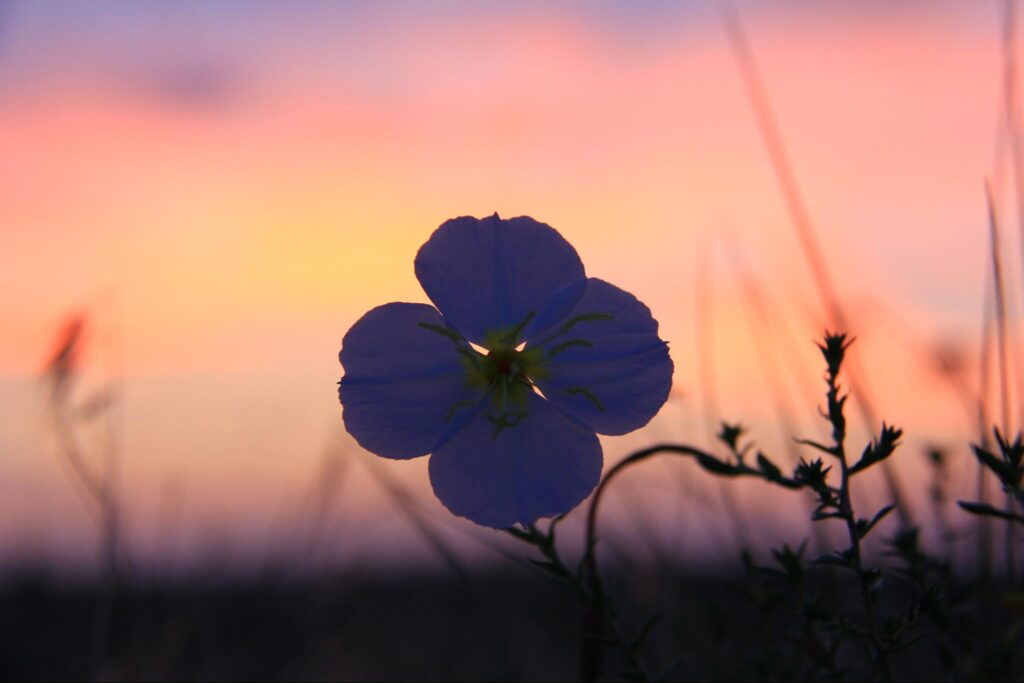
Image Credit: Flickr Creative Commons/Bureau of Land Management Oregon & Washington