
It may seem old-fashioned these days — especially since the advent of the wildly popular Substack publishing platform — but my daily writing practice revolves around a personal blog. Through Third Place Cafe Stories, I pursue a passion—I hang out in cafes, watch the world go by, and write about it as I go along.
I love cafes like the Artopolis Bakery Cafe and Agora that used to be on Chicago’s Halsted Street, which I stumbled upon years ago during one of my annual treks to the city that was once my home. I was drawn to the welcoming atmosphere, the way the many Greek-speaking customers were known by their names, the way you could sit for hours at a table or the bar with a latte and a homemade Greek pastry.
There, in 2022, I met Sotirios, a young Greek-Italian whose name means “savior.” The cafe’s newly hired artistic director, Sotirios waxed exuberant about his ideas for change, from Greek music nights to Romanesque statuary to a more modern cafe vibe for the newly-gentrified Greektown neighborhood. He’d been going to the cafe since he was a kid.
His efforts, alas, came to naught. When I met up with Sotirios at another Chicago cafe two years later — one he suggested — we bemoaned the unexpected closing of the Artopolis, the way his job had disappeared, and above all, the old ways of the new owners, who were probably using water damage as an excuse to sell the Artopolis for a pretty penny. His story became the seed for the third post in a series about the cafe.
I usually post two micro essays per month, most of them about 200 words, all based on true stories that happen in cafes or similar locales wherever I go, especially those that act as “third places,” or homes away from home, like the Artopolis once did.
This pace is one I find congenial to working on other projects, and a blog is a venue I find less overwhelming than a social media platform like Substack. Blogging is like a dress rehearsal for an onstage performance—less pressure, in front of a smaller audience, at least for the moment, and practice for whatever else might come next.
My subscriber base is south of 200. Page views are between 300 and 400 per month—nothing like the tens of thousands of readers needed to capture an agent’s attention for a blog-to-book deal—the kind of thing that became a craze in the first decade of the millennium and peaked before the next decade even began.
Wait a minute, you might be thinking. Why not write these stories in a journal, craft and submit them to lit mags, and introduce them to the world that way? If you’re not going all out for massive readership that boosts your author platform or draws clients to your services, why all the effort?
Lack of a broad readership is indeed a reason to think twice. A blog does cost money—at the very least you have to pay the annual fees for a hosting service and a domain name. I use the hosting service from the user-friendly platform Squarespace—no coding involved, photo-friendly templates available—each post only a few clicks away.
They also have plug-ins like the Weglot translation service, which I use to spit out a basic Spanish translation of my content. I then review and correct it with a fine-tooth comb. The platform also offers an email campaign option, through which I notify the subscriber base of each new post. But each add-on costs an additional annual fee.
Here’s what I get from all this:
A Sense of Control
First, I’m in control of this little project. As long as I feel it’s worth it, I can keep publishing this blog—I own it.
I do publish a newsletter and notes on Substack. But media platforms like Substack come and go, and Substack controls the content I send them, as well as the subscriber lists the service generates. If Substack folds, it all disappears. If Squarespace folds, in contrast, I can always find another home for my domain name and blog, and transfer my content there.
Connections that Fuel Creativity
Second, I feel more connected to the world around me with this blog, and these connections ignite my creativity. The commitment to post material twice a month motivates me to get up and out, eyes and ears open, in pursuit of some surprising interaction between people I might otherwise not notice. I’ve also gotten ideas for blog posts, tinkered with them, and converted them into longer-form personal essays or flash fiction, which I’ve then sent along to lit mags.
Of course, I could commit to another kind of publishing venture. But the truth is, I love the sense of connection I feel with the people in these cafes, in and of itself. I sometimes hand people a card with the blog’s QR code on it, and that’s usually more than enough to start a conversation. It’s maybe even the germ of a new story.
Writing Feedback
Third, I now often get fairly immediate feedback on my writing in the comments section of the posts, as well as via the dedicated email account. That helps me see what resonates with readers. I experiment with the forms and subjects that appeal to them.
On the basis of popular demand, for instance, I have continued a 20-word-story format once every other month or so that appeals particularly to the poets in my audience. The poets in the subscriber base, by the way, are the first to tell me if an image pops—or flops.
And, if I want, I can experiment immediately to see if a different syntax or image works better. I don’t have to wait for an editor’s approval—see point number one in this list.
A year in, I now have a bimonthly space for my narrative work in one of Mexico’s top-tier newspapers, Milenio. The editor of the cultural section liked the Spanish-language versions of the stories. We met through mutual friends and participated in the same WhatsApp group chat. Because I had a convenient vehicle through which to share my writing—the link to my blog—he read my work and we began to collaborate.
Who knows how long I’ll have the time and resources to publish a personal blog about little stories that happen in cafes around the world? But for now, I’m in my element—and I’m having too much fun to think about stopping.
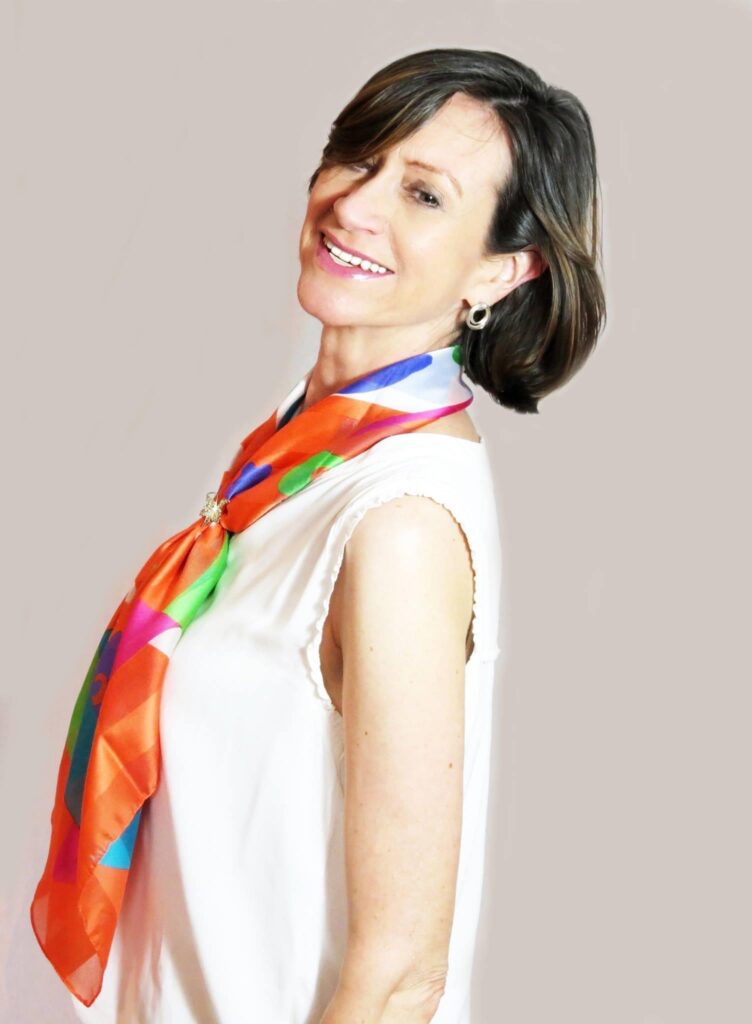 Dorothy Dean Walton writes personal essays, screenplays, short fiction and creative nonfiction. Her work appears in both English and Spanish-language publications, including Dorothy Parker’s Ashes and the Mexican lit mag El Golem. Visit her blog, Third Place Cafe Stories, and website, www.dorothydeanwalton.com.