

It’s this sort of “memory” – or lack of – that interested writer Joshua Foer in his award-winning book “Moonwalking with Einstein: The Art and Science of Remembering Everything.”
It’s this sort of “memory” – or lack of – that interested writer Joshua Foer in his award-winning book “Moonwalking with Einstein: The Art and Science of Remembering Everything.”
No matter your opinion about John D’Agata, recently under-fire for his slippery (some might say sloppy) handling of facts in his 2010 book, About a Mountain, the use of innovation (read: fudged facts) in nonfiction – which he argues is his right as the author, especially when helping foster a more artistic truth – created a genre, of sorts, situated between fiction and non, creative nonfiction, which even this magazine uses to define what it publishes every month.

When I first became a professional writer and began focusing on writing articles and essays, the name Dinty W. Moore was one name, in fact the only name, immediately associated with true blue creativity in the genre.
The Family Silver: A Memoir of Depression and Inheritance follows the author Sharon O’Brien on her quest to discover the familial roots of her depression.

The so-called “writing life” will sweep me toward Chicago as the 2012 AWP Conference and Book Fair draws near. This is my first time attending the event; I don’t know what to expect beyond the advice and wisdom espoused by AWP veterans.

A woman must have money and a room of her own if she is to write fiction. – Virginia Woolf — Women writers just love old Ginny. We quote her chestnut about the ‘room of one’s own’ at the drop of a pen. The quote isn’t limited to fiction, but writing in general. Usually, it’s centered around the “room” part – the need for a physical space
“My mother and I are sitting in the small dining room of her town-house; we are sitting at the table she’s had since I was a girl, but I am nearly fifty.” Thus begins Beth Alvarado’s memoir Anthropologies: A Family Memoir. This first sentence sets the tone and style of the book—clear pictures and underlying emotions presented in brevity and concise language that reads like poetry.

… appoggiaturas generate “tension in the listener,” … it’s this tension and release that results in the “tears and chills” of deep emotion.
As writers, we can’t rely on appoggiaturas to elicit this type of response in a reader…or can we?
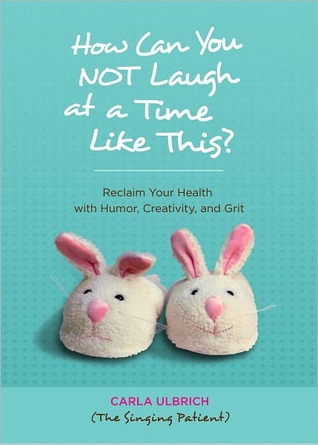
In How Can You NOT Laugh at a Time Like This? Carla, also known as The Singing Patient, outlines realistic coping strategies and supportive advice along with anecdotes of how she deals with several autoimmune diseases. Her unique approach is sincere and instructive.
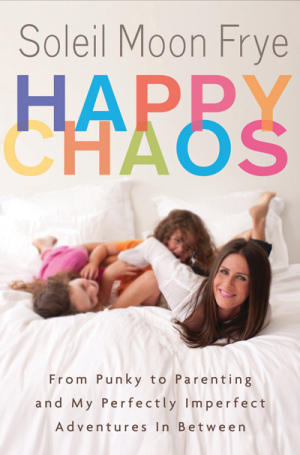
Now, I’ll be the first to admit that I’m not one to run out and buy the latest celebrity memoir, but when I was offered the chance to read and review Soleil’s new parenting book, Happy Chaos: From Punky to Parenting and my Perfectly Imperfect Adventures In Between, I wasn’t about to say no.