Reviewed by Layla Khoury-Hanold

 If you are what you eat, then what you cook must be just as revealing.
In Our Knives Will Save Us: Dispatches from a White Mountain Apache Chef (Penguin Press; July 2026), author and chef Nephi Craig chronicles his journey from his childhood on the White Mountain Apache Tribe Reservation to cooking in some of the top restaurants around the world, all while battling the highs and lows of substance abuse and navigating incarceration.
Craig’s voice, vulnerable and raw, puts to paper some of his most painful experiences but it offers readers an illuminating look at Indigenous history and the power that food has to rewrite narratives and chart a new path for healing.
When Nephi Craig enrolled in a culinary arts program in Scottsdale, Arizona, cooking professionally wasn’t really on his radar. He was eighteen and already struggling with substance abuse, something that had plagued generations of his extended family on the White Mountain Apache Tribe Reservation where he grew up. He agreed to go to school as a condition of receiving probation rather than jail time, but he discovered that he loved cooking and being in the kitchen. Still, he didn’t quite connect with the Euro-centric curriculum of mother sauces and French words for fancy knife cuts and could feel his otherness when he asked the professor to define terminology like risotto or mirepoix or bistro.
Despite not seeing himself or his culture reflected in culinary school lessons and recipes, his curiosity was piqued. From the outset, Craig interrogates different dishes from his unique Navajo and Apache viewpoint—such as how tomatoes and squash are indigenous to the Americas, two of the key ingredients in the French vegetable dish ratatouille. Examining ingredients and connecting them to his Indigenous roots deepens his passion for cooking, while illuminating his people’s complicated history of colonial violence and generational trauma. Craig’s generous rendering gives readers an opportunity to learn about Indigenous cultures and rituals through food, as with autumnal acorns from the Emory oak that can be eaten straight out of the shell. “When I was young, I looked forward to the joyful racket of my aunties and grandmas gathered around our dinner table, cracking acorns and howling with laughter.”
When Craig eventually lands a job cooking at his dream restaurant, he applies himself and works harder than ever. He even creates the Native American Culinary Association to further explore his heritage and share his knowledge. But his successes and triumphs are interspersed with multiple stints in treatment centers as he tries desperately to stay sober. Getting married and becoming a father provide additional motivation, and it seems like Craig is becoming the man he wants to be—someone who more closely resembles his father, Vincent Craig, a revered Diné (Navajo) singer/songwriter and Marine Corps sergeant. But a champagne toast after a well-executed New Year’s Eve dinner service leads to a bender, causing Craig to violate his probation and cost him the job that had given him such pride and purpose.
Craig spends three months in jail, where he joined the Natives faction, known as “the Chiefs,” working in the kitchen to prepare meals for 7,800 inmates, utilizing “thousands of pounds of donated, almost-expired food into warm meals, using a dozen hundred-fifty- gallon, industrial steam kettles in two rows of six that faced each other.” It marks somewhat of a turning point for Craig, and is an experience that is emblematic of his character—despite experiencing deep shame around the circumstances, he still takes pride in cooking food to keep his fellow prisoners alive. He also realizes so much of what is considered revelatory in the world of food trends is in fact how Native Americans have eaten for generations: nose-to-tail, farm-to-table, plant-based.
Craig finds ways to continue exploring his Apache and Navajo roots through the Native American Culinary Association and eventually cooking Native-inspired dinners around the world in places like Brazil, England, Germany, and Japan. But still, Craig struggles with addiction and he paints a very real portrait of the ways that addiction can change your perceptions and beliefs around who and what you value—at one point, he even sells his prize Japanese chef knives for money to support his addiction. Even as positive experiences start to accumulate, he seems to self-sabotage his success at every stage. It takes several more stints at rehab for Craig to really find a foothold in sobriety, and it is beautiful for the reader to witness the way in which he applies some of his most profound reflections to honor his ancestors’ wisdom and create healing in his own life.
“One of the realizations that had come to me when I’d lost my toehold and tumbled from the mountain of fine dining was that my work around Native foods extended far beyond the professional food world. Talking to Indigenous people about traditional ingredients and foodways was actually a public health service. I believed I could get people excited to make healthier food choices by focusing on the history of Indigenous people’s eating habits, specifically how what they ate before and after contact with the colonizers was radically different.”
Overall, Our Knives Will Save Us offers a stark portrayal of addiction, the lack of indigenous representation in the culinary industry, and the brutal ways that generational trauma and substance abuse can rob us of living meaningful lives. By sharing his stories and making his voice heard, Craig finds ways to decolonize native foodways and chart a path to healing for himself and his people. His stories, while raw and painful, ultimately offer the reader hope.
This book is for avid readers of memoir, fans of food and chef stories, and those seeking to deepen their knowledge of Indigenous culture and history through its foodways.
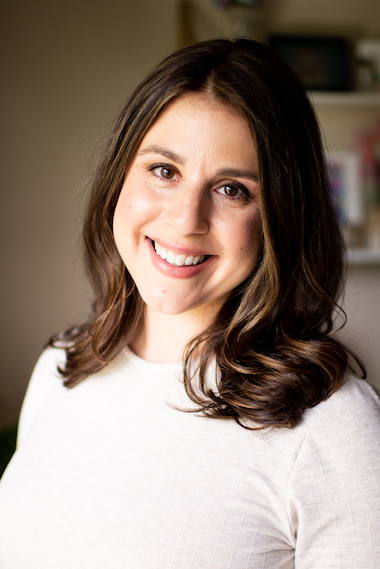 Layla Khoury-Hanold is a freelance journalist who has written for Food52, Food Network, and the Chicago Tribune, among others. She is working on her debut memoir. Follow her on Instagram @words_with_layla or on Twitter/X @words_withlayla.