
Are you one of those people, like I used to be, who thinks you have to know everything, be everything, do everything by yourself — or else?
“If you want something done right,” my steel-magnolia Mama used to say, “do it yourself.”
Sorry, Mama, but that’s impossible. Especially these days. Think of all the stuff you need to learn to do as a writer — discover your niche, find the right workshops, submit to appropriate places, promote your work, master the right software (especially for genres like screenwriting) — and by the way, do the writing.
You have to be tech savvy, social media savvy, design savvy — and that’s just the tip of the iceberg.
I’ve found one thing that helps: Asking people who know more than you do. Their advice may be for a fee, it may be for a commensurate service you can offer in return, but you just can’t know and do everything all by your little ole lonesome.
Tiny Love Story Published Only After Expert Advice
Case in point: My very first Tiny Love Story in the NYT, “No Answers Needed,” appeared last March. Go me! Sure, but the steps to get there involved a heck of a lot of outside advice.
This micro essay started out as an exercise in a Craft Talks webinar given by micro prose author Bethany Jarmul called “Micro Memoirs: Writing Tiny True Stories.” She had us choose a specific moment and identify what detail could represent the story’s emotional truth — and maybe a metaphor that stands for that truth.
I chose the moment my father, before walking me down the aisle on my wedding day, tried to get me to confide in him to no avail. The bridal veil over my face signified my determination to remain silent.
I was stuck at the time. My impending marriage felt like impending doom, yet I saw no way out. My father let go of my arm in front of the altar and there I was — alone, decision made.
I refined what I’d written in class, sent it to a friend who liked it, and said, “Hey! Only 100 words, gets to the point, let’s go!”
But it was far from ready. I submitted it to the lit mag Five Minutes under the title “White Ice Lace.” They rejected it in less than five minutes. I sent it to Grant Faulkner’s 100 Words under the title “Sprigs & Bouquets.” Same thing.
So I took it to my writing coach Peter Mountford, who said, right off the bat, “I don’t get this.” We hashed it out over two separate half-hour Zoom sessions.
The ice-white veil not only made no sense but probably made me look like the ice-cold person I wasn’t. Off with the veil!
Peter added the words “already wilting” to the bouquet, and the piece began to take shape. Once I thought the story was ready this time, I filled out the digital form on the NYT website and off it went. Editor Miya Lee got back to me in one week.
That’s right — one week.
She sent me a list of questions to make sure everything was accurate. The only detail I’d fudged, I told her, was the state of the bouquet, which wasn’t yet all that wilted. She changed the prose to “The bouquet seemed to be wilting already.” And voilà, it was out in the world.
Where to Go for Help and How Often
Craft Talks is a great source for affordable educational opportunities, as well as ideas for people to turn to. They have a package deal if you want to explore various genres and other topics, as well as free talks on a platform called The Writers Bridge.
In 2023, newly retired and eager to start a writing career, I went for the end-of-year package deal, which included more than two dozen webinars in 2024 for $315. The subjects ran the gamut from navigating lit mags to craft lessons to tackling taboos in memoir. It was an ideal way to dive in and explore the ocean without drowning in it.
Now that I’ve narrowed my focus, I take a Craft Talks webinar every other month or so, only on the subjects most useful to me at the moment, like craft tips for micro prose or how to improve my author platform.
Coaching Sessions are Flexible and Boost My Success
Craft Talks is also where I found Peter Mountford. With him, I take advantage of another package deal, eight hours of coaching for the price of seven, a popular option, he says, for his returning clients.
I try to spread the sessions out over the year, with a focus on my personal essays. I schedule a session when I think a piece is ready for Peter’s eyes, though we also discuss ideas for new essays, models for the kinds of pieces I want to write, and where to send my work.
Sometimes it’s clear I need to take a different direction or even abandon my original idea. In that case, my next session might wait as long as a month or two while I’m working on something new. If I’m making faster progress, I might schedule a couple of half-hour sessions in the space of a week or so.
I could get this kind of granular feedback from online writing classes, of course, which I have also done. But now that I’ve gotten experience reading other peoples’ work and getting their feedback on my own, I like the efficiency of working with a coach.
“If you have a pile of pages and some background in writing already (maybe you’ve already traditionally published one book, or essays), coaching can accelerate your writing,” Peter says. “It’s also a good fit for a shorter project such as developing a series of essays, launching an essayist or nonfiction career, or finishing a book.”
For more on taking classes vs. hiring a writing coach, see Peter’s website post “Writing Class vs. Coaching.”
Subjects Other Than Writing Also Require Expertise
Learning doesn’t stop with the writing. What about designing your website, promoting your work, launching a blog, working with agents? And the list goes on.
A suggestion from screenwriter and writing coach Michelle Tamara Cutler is a site called Freelancing Females, where you have the option of seeking a service in return for something commensurate.
I haven’t used them yet, but I’m intrigued by the possibility of getting help on search engine optimization (SEO) and website mapping for my blog, Third Place Cafe Stories.
We All Need Our Hands Held at Times
Finally, back to the writing. It’s clear we all need beta readers to refine and get almost anything ready for publication, but also, our friends or spouses can’t always be the most objective readers.
Classes, writing groups and coaches can be enormously helpful, providing neutral feedback that strengthens your writing. And there’s one more thing close writing associates can give you — company in the writing process, which usually requires hours upon hours of time alone with your thoughts and a pen or laptop.
The hand-holding I got from Peter on that 100-word essay also helped me see it over the finish line. I never knew 100 words could rattle me quite so much. I also never knew I could feel so much satisfaction when I saw them in print.
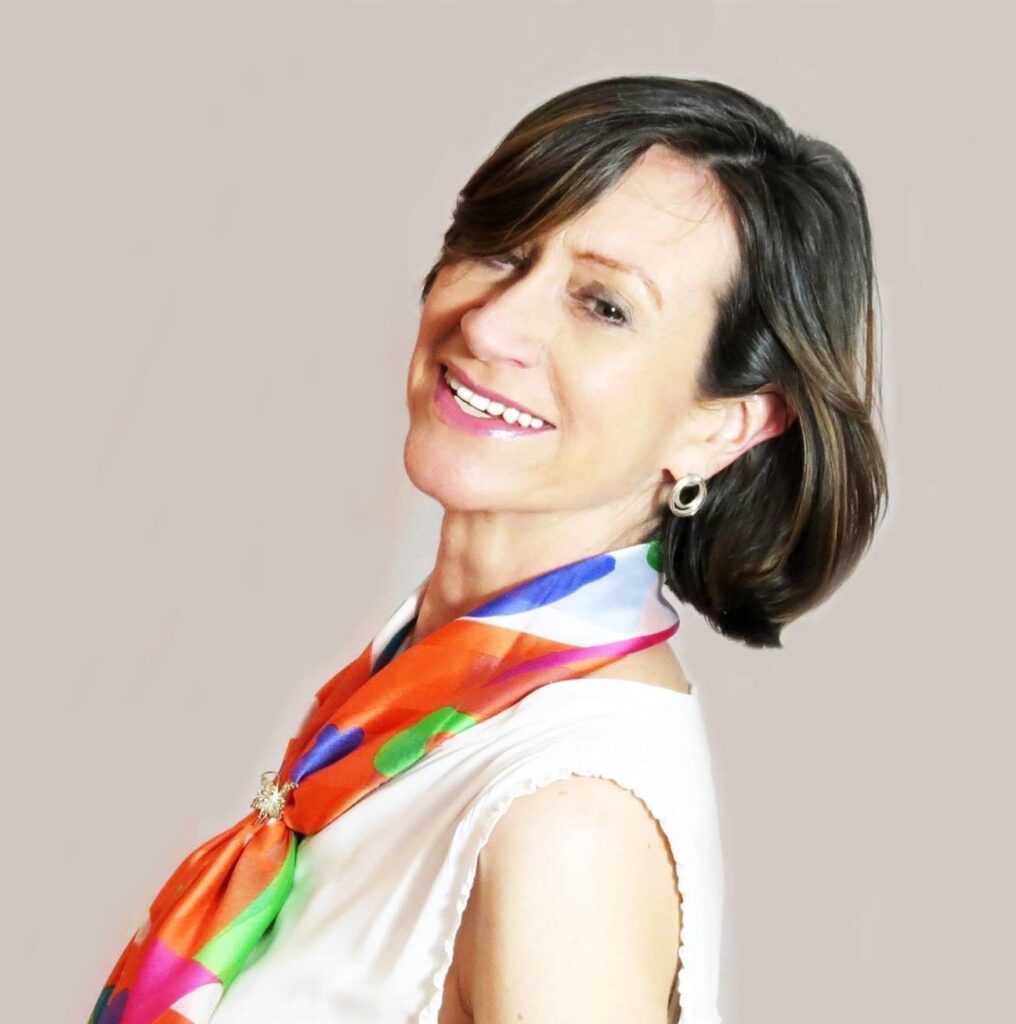 Dorothy Dean Walton writes personal essays, screenplays and micro prose. Her work appears in both English and Spanish, in publications including The New York Times, Dorothy Parker’s Ashes, the Mexican newspaper Milenio, and the Mexican lit mag El Golem. Visit her blog, Third Place Cafe Stories and website, www.dorothydeanwalton.com.