

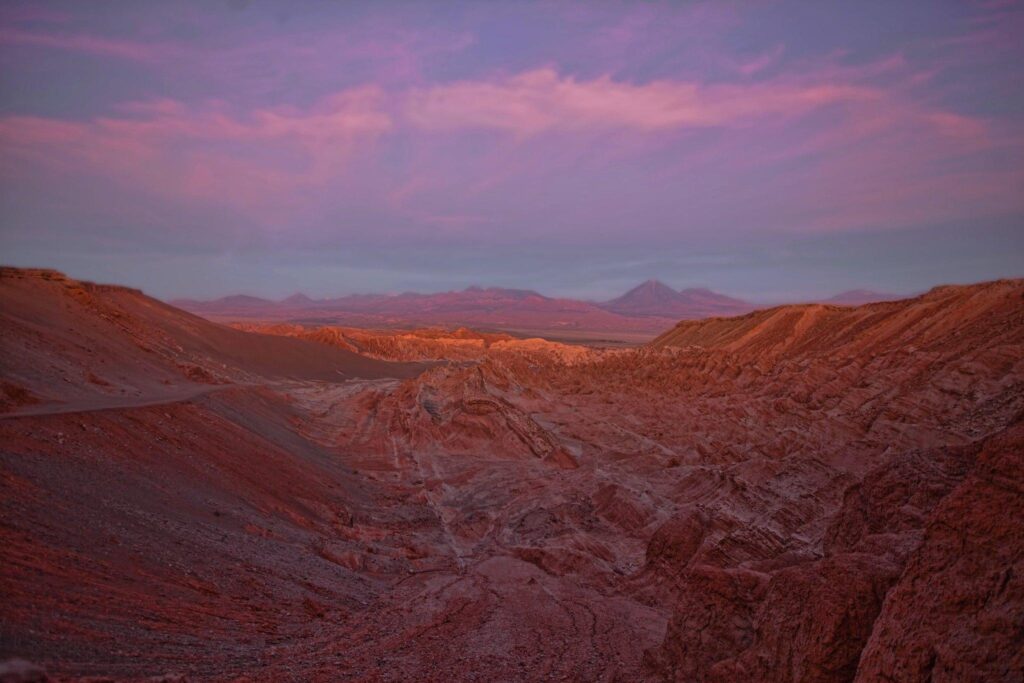
It is here and now the boy understands what people mean by the power of nature. Articles, TV broadcasts, and radio reports provide images and descriptions but there’s nothing quite like reality. The desert had been a place to play, to squeeze through narrow gaps, scramble up rocks, chase lizards. Yes the boy had been careful before, or at least careful enough to appease his parents, but he still didn’t see the desert as dangerous. But here and now, that changes. The boy is huddled under a small rock ledge a hundred feet up a steep, loose canyon bank. He is shivering as rain and hail intermixed come down but remains smiling, entertained by his parents and his best friend along with his mother. Cold and antsy, he wants to go, growing bored with talking and observing the small brown trickle in the creekbed beneath them. Then he hears the roaring. Two hundred yards ahead, the canyon turns a corner and narrows, the walls grow vertical and become only a few feet apart. The boy knew that he was not to go in there today. There was something with the weather, but he still wanted to. The roaring changes that. It starts dull, just a growl, but quickly grows until it is a train bearing down on his sheltering ledge. Then he sees the water. It explodes around the corner, chocolate-milk brown and frothy, at least six feet high and ten feet across, the front filled with logs and bushes. It is angry, wild and deadly, finally freed from its prior confines. The boy had seen branches caught 30 feet up in other canyons. He had never processed how they got there. He understands now.
Later, as the water recedes, the boy and his group descend from their ledge and wade across the frigid, murky stream. The group passes a car driven up the wash earlier in the day. It is buried up to its license plate in thick mud. The boy does not think any of this affects him, but years in the future, he will see a stormy sky while in a canyon only eighteen inches wide and panic, imagining himself consumed by raging water, bludgeoned to death by stone walls and ancient logs well before he has the chance to drown. It will be too easy to imagine raindrops coming down, bouncing off hard, dry earth and coursing downward, funneling toward where the boy is. It will start with just a few, some disappearing into the ground, others caught by plants, but as the number grows, raindrops fall across miles of desert, rivulets form, intertwine, get pushed into washes that become canyons, and turn into a monster eager to devour. The boy will fight to escape confinement as quickly as possible, but it will be unnecessary.
This fear will not ever leave the boy, but he is addicted to the land, sand in his veins. He will continue coming to the desert, still with his parents for years, but then just with friends. He will check the weather religiously, feel his heart jump at every dark cloud, and push down panic rising like bile in his chest. Still he returns. His fear will be mixed with a deep love, creating awe. This mixture will be religious for him, canyons becoming cathedrals and weather their tempestuous god. It is like this he will learn how to pray.
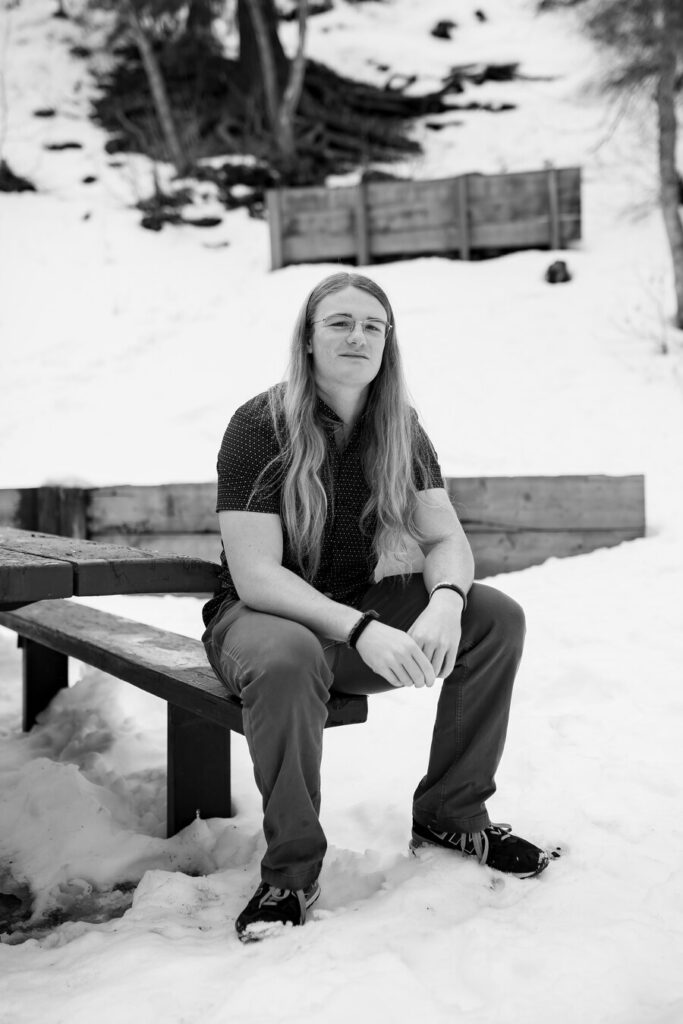 Phin is studying English at the University of Utah in Salt Lake City. When not occupied with school, he enjoys reading, hiking, skiing, cuddling with his two dogs, and playing ultimate frisbee.
Image Credit: Flickr Creative Commons/Justin Jensen