
 Rejection is one of those things we all have experienced but usually don’t like to talk about. There was the crush who turned you down for a date, the dream job that didn’t call you for an interview, the kids who wouldn’t let you join their game on the playground.
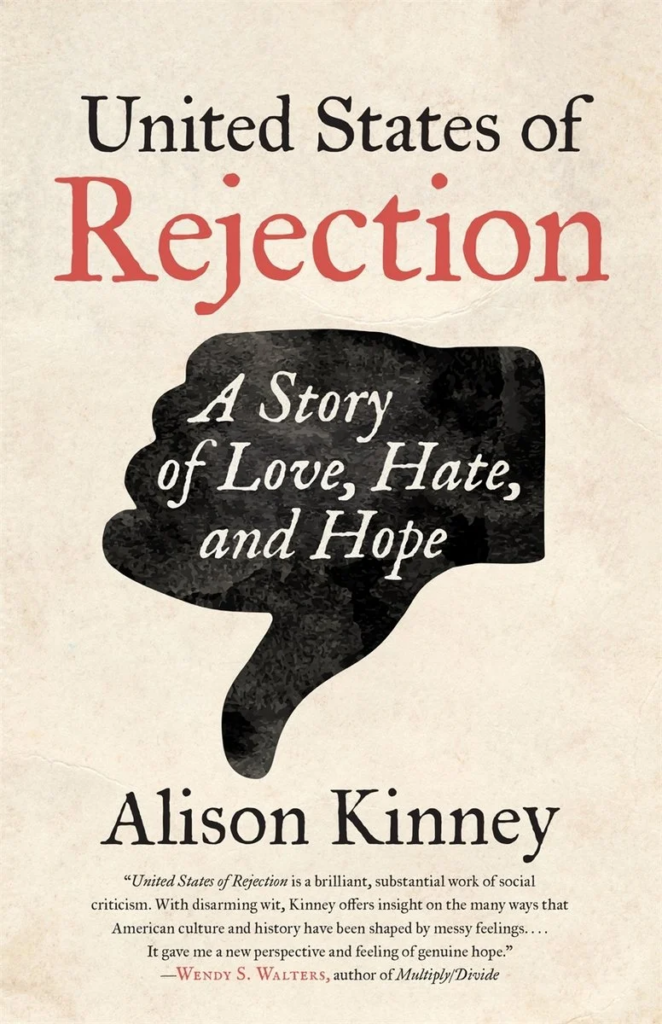
Writer Alison Kinney heard many of these anecdotes from people she told about her project to write a book about rejection. While her book, United States of Rejection: A Story of Love, Hate, and Hope (University of Georgia Press; May 2026), includes all of those examples, she expands the word “rejection” to take on the ideas of “systemic bigotry, institutional exclusion, deportation, Treaty abrogation, and the self-help codified in policies claiming that if you can’t overcome rejections you’re not trying hard enough.”
What results is 262 pages of stories and analysis meant to push your thinking about how much of American life actually centers on the idea of rejecting others. This may sound like quite a dreary book indeed, but one of the ways Kinney counters that feeling is through the idea that not all rejections are bad.
Take society’s ultimate rejection of the KKK as racist bigots, for example. Or Sarah Bache’s rejection of Thomas Paine in a letter to her father, Benjamin Franklin, which includes one of the best roasts I’ve read in a while: “The most rational thing (Paine) could have done would have been to have died the instant he had finished his Common Sense, for he never again will have it in his power to leave the World with so much credit.” (Apparently Paine’s esteem in society went downhill quickly after he published his most famous book.)
Kinney details interesting research into how rejections impact our brains, how children can un-learn their drive to reject their peers almost as easily as they learn it in the first place, and why some people — think “school shooters, incels, or insurrectionists” — respond to perceived rejection with violence. Turns out the answer to that last one is mainly due to narcissism, Kinney writes.
She also makes the argument throughout her book that rejection can elicit hope and strengthen community. Which seems like a head-scratcher until she tells you the story of the Oglála Lakhóta Tribes’ fight against U.S. government plans to explode fireworks over Mount Rushmore on the Fourth of July. Not only had foresters urged against the fireworks because they caused wildfires, but the Tribes said the action violated a treaty they had signed with the U.S. in the 1800s that promised them the land for their “absolute and undisturbed use.” As Kinney details tribal members’ spirited and unending protests, she notes, “Fighting injustice is a kind of rejection based on radical acceptance of other people’s integrity, strength, vulnerability; of solidarity, empathy, and shared visions for a better future.”
Kinney’s book unearths several interesting historical stories about people who were rejected and makes a few thought-provoking points about whether rejection is as bad as we often say it is. While the narrative thread woven throughout these stories could have been stronger, Kinney’s reminder that rejection can work both ways — that we as a society can come together to reject things that deserve it — is just the sort of message we need during these times.
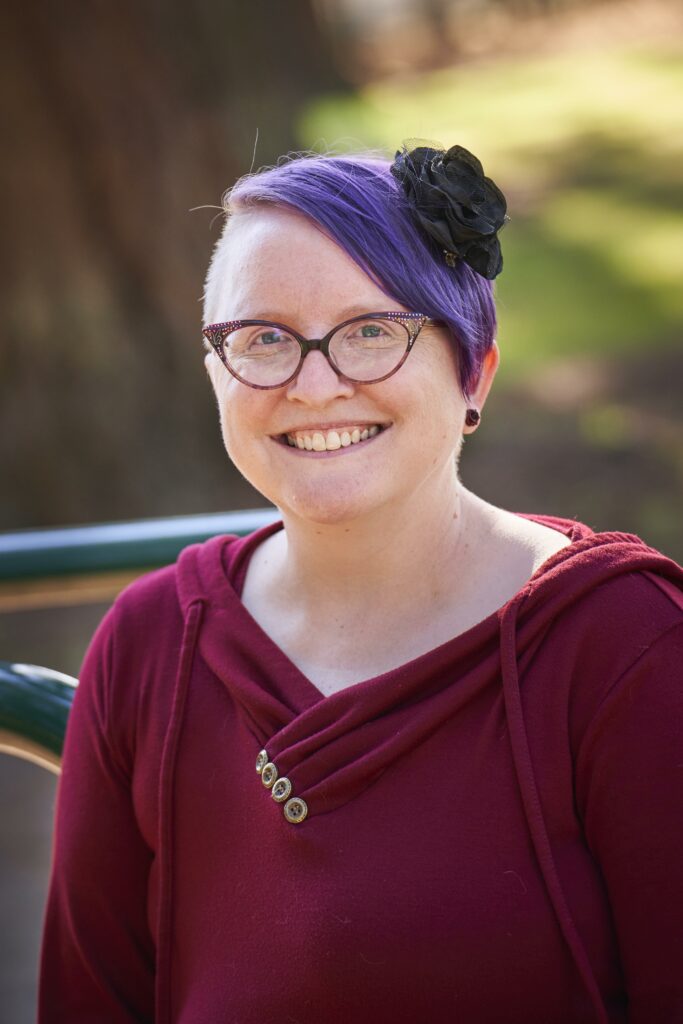 Sarah Evans is an Oregon writer and social justice activist who tries to raise marginalized voices by reviewing books written by and about people of color, women, and those who identify as LGBTQ+. She has an MFA in nonfiction writing from Pacific University.